Vestre and BIG Unveil NODE, a Sculptural Rethink of the Bicycle Rack
Vestre has partnered with Bjarke Ingels Group (BIG) to launch NODE, a new bicycle rack that reimagines one of the most overlooked pieces of urban furniture as a piece of architecture in its own right. Continuing the relationship the two forged during the development of The Plus factory, the collaboration brings BIG's architectural sensibility to an object usually defined by little more than a bent steel tube.
A new shape for a familiar object
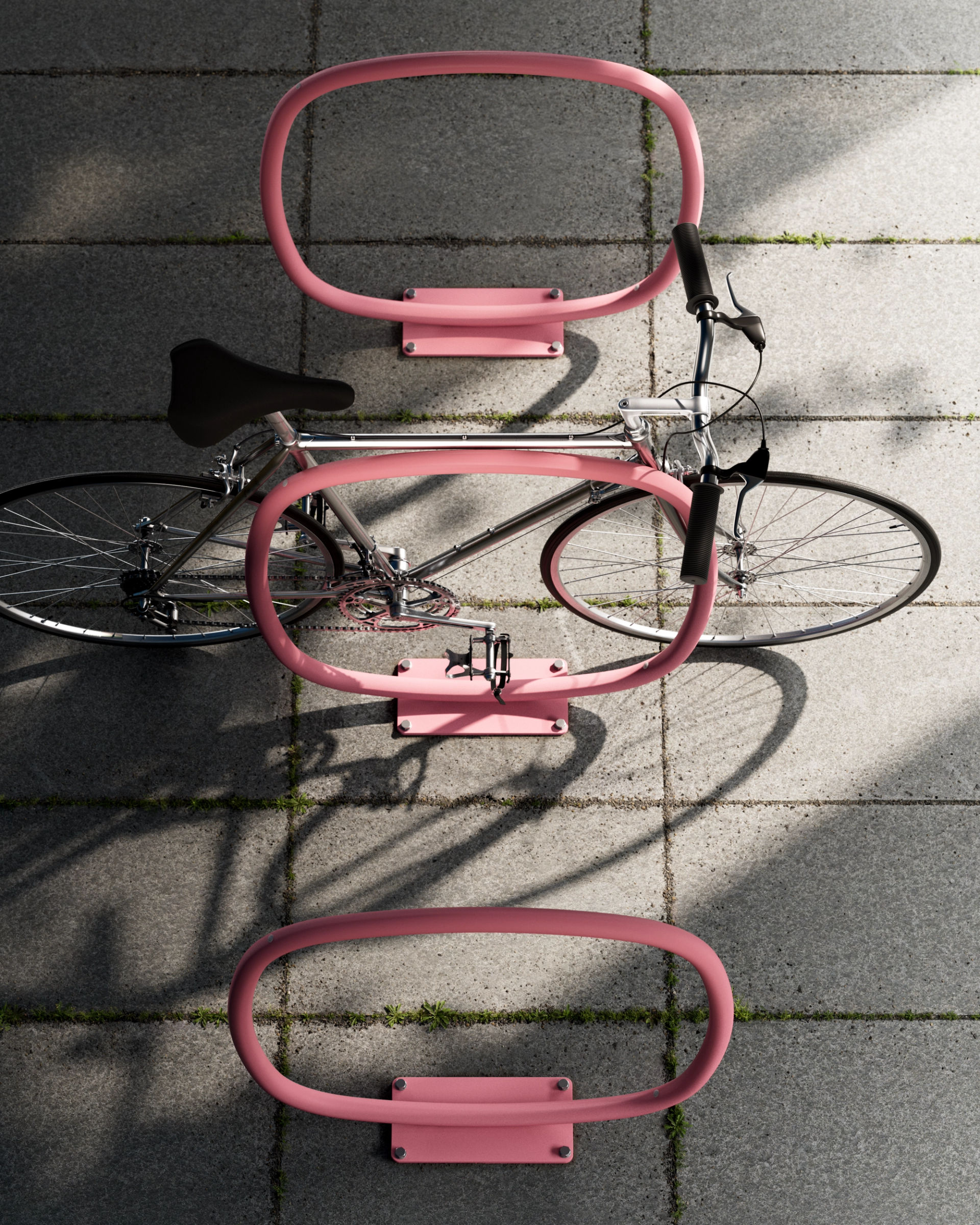
At the heart of NODE is a single design idea: merging the square and the circle into one continuous form, a shape the designers call a "squirkle." The result is a rack that feels both logical and unexpected, referencing the geometry of a bicycle itself while introducing a softer, more sculptural presence than the strict, ruler-drawn racks it's meant to replace. Rather than fixed angles and measurable radii, NODE moves between curves, giving it a fluid, almost ungraspable quality that Vestre describes as "playful, but never naive."
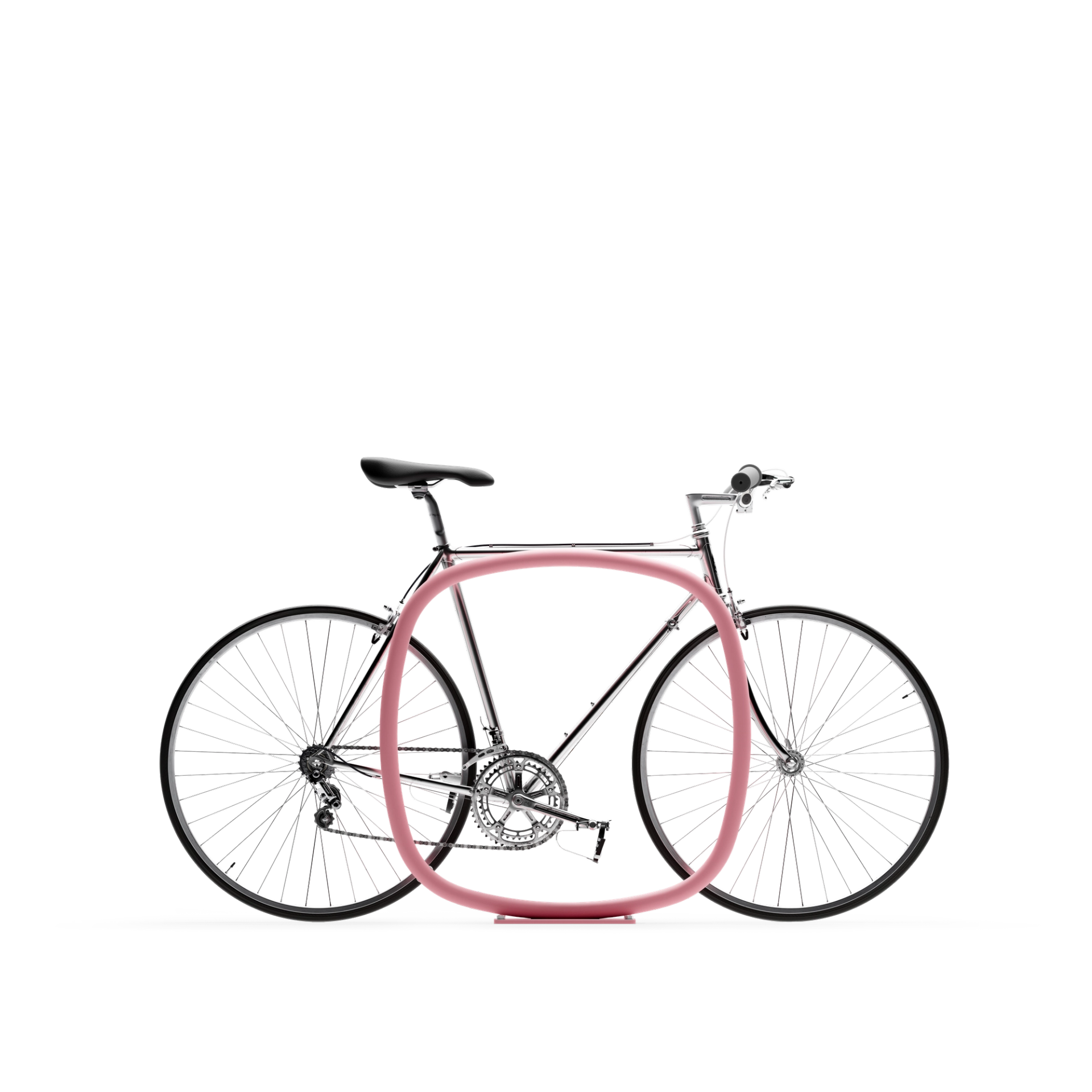
That fluidity is deliberate, not decorative. The design leans on three pillars that Vestre says define the piece: fluid precision, trusted functionality, and detail as architecture. Beneath the sculptural form is a rack built for daily use — one that supports two bicycles, one on each side, and allows both frame and wheel to be securely locked. It's a reminder, the company says, that expressive design and functional reliability aren't mutually exclusive.
NODE is the first product in a new family of public objects designed to add character to a place, rather than simply occupy it. Shaped as a superellipse, NODE finds a natural balance between the clarity of a square and the softness of a circle. Its form provides broad, practical contact areas for bicycles, while the rounded geometry helps reduce the risk of damage. The result is a bike rack that is functional, durable, and friendly in its expression.
Built to disappear into the architecture
NODE is designed to be installed with the same flexibility as it was conceived: with surface mounting, cast-in-ground installation, or a modular base plate system that allows several units to be deployed without any permanent intervention in the ground. The cast-in option, notably, creates the illusion that the form is simply resting on the ground — a small detail, but one in keeping with Vestre's stated ambition to treat even the most functional street objects as part of a larger architectural whole.
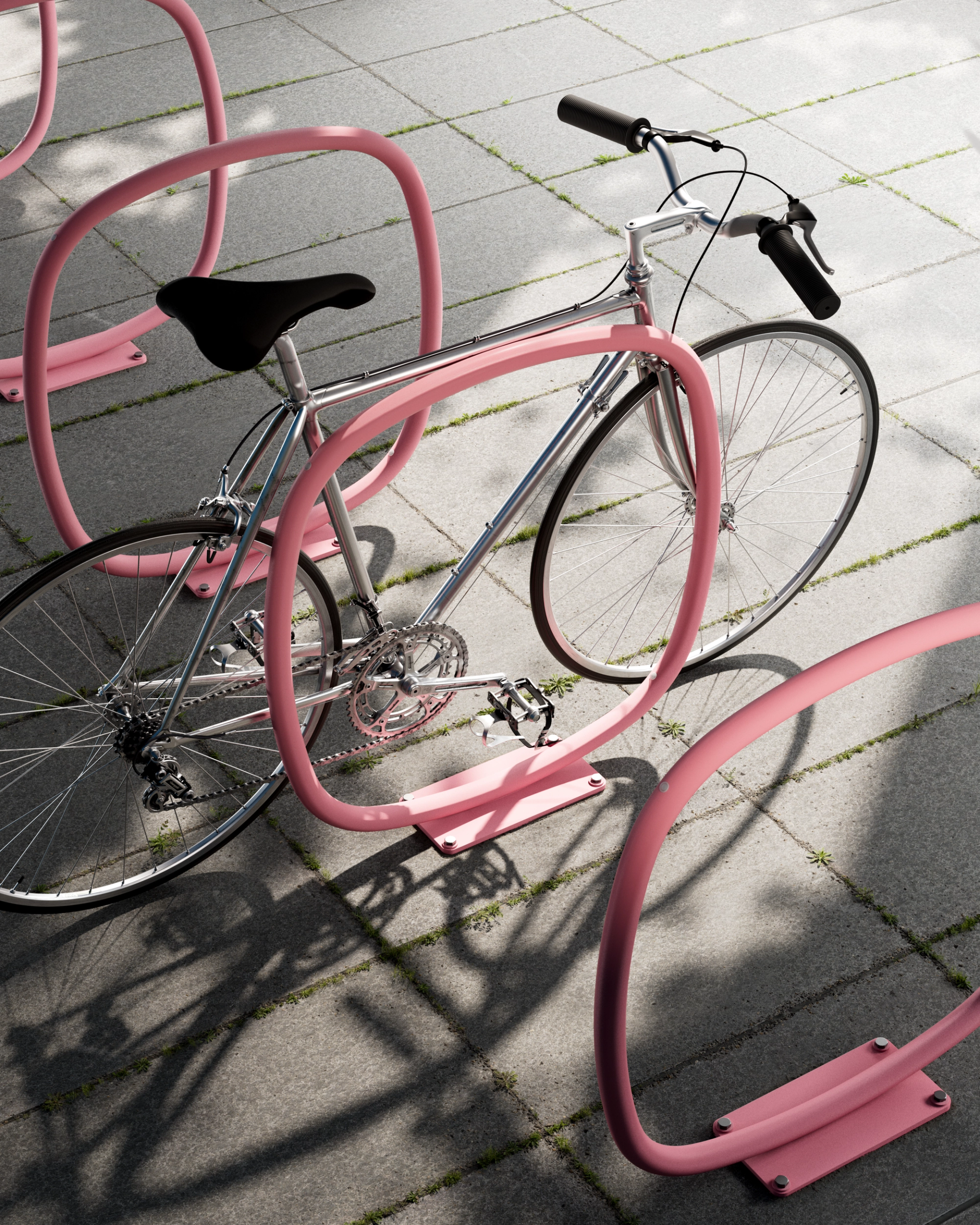
That ambition also shapes where the company expects NODE to land. It's aimed at contemporary office buildings and headquarters, schools and campuses, and urban streetscapes built around mobility, as well as any public space where design quality is expected to reach every element, down to where people lock their bikes. Vestre points to projects where mobility is treated as part of the spatial experience itself, where architectural intent carries through to the smallest details, and where a balance between expression and restraint matters — settings, in other words, where infrastructure is expected to contribute to atmosphere and not just serve a function.
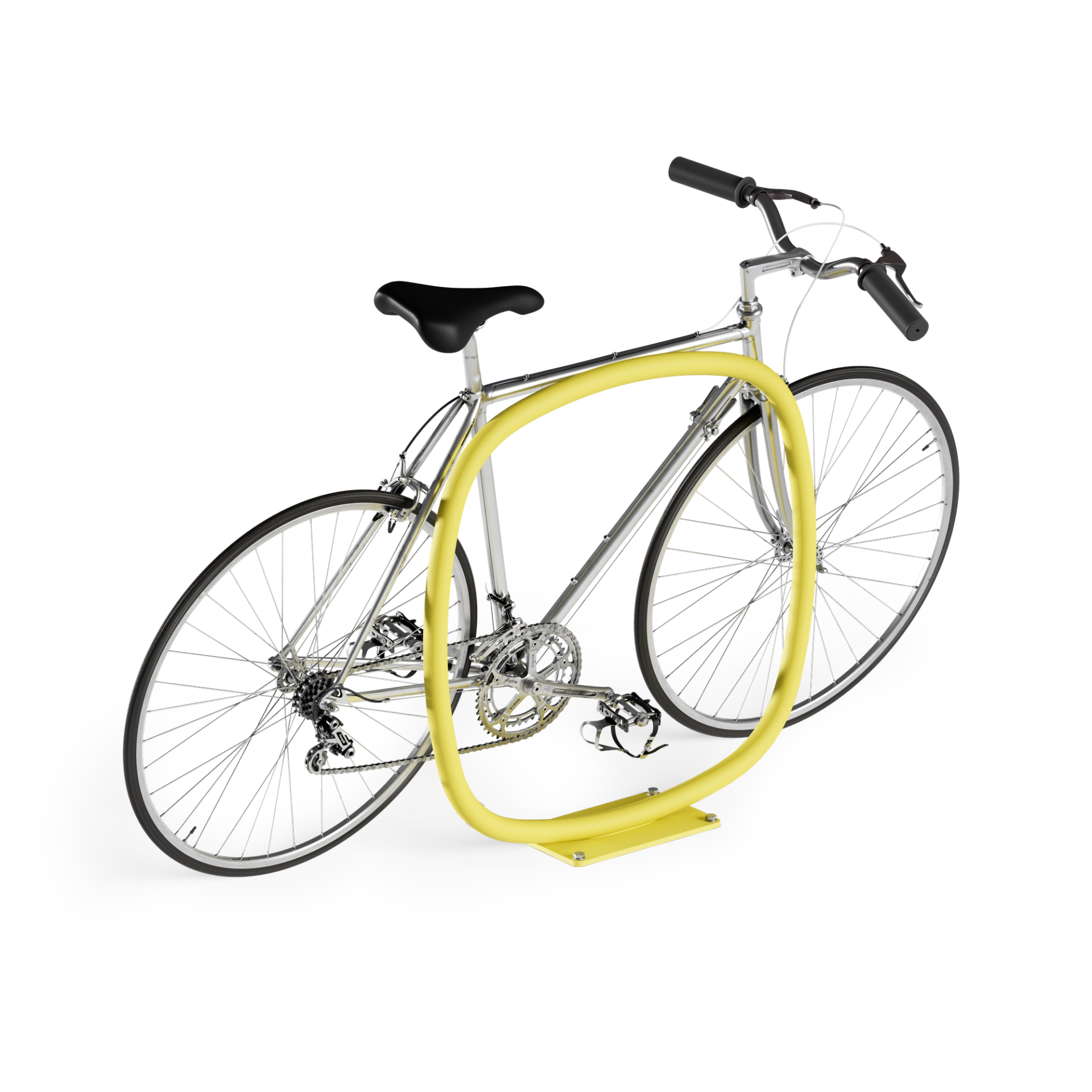
Part of a broader shift toward car-free cities
The launch also reflects a wider trend Vestre is positioning itself for: as cities increasingly plan for car-free futures, demand is growing for mobility infrastructure that meets higher design standards than the utilitarian racks of the past. NODE expands Vestre's offering into markets with stricter design requirements, giving planners and architects a more contemporary and expressive alternative to the standard bike rack.
For Vestre and BIG, NODE is as much a statement as it is a product: that no piece of street furniture, however small or purely functional, is beneath architectural attention.