Designing urban spaces as integrative and adaptable landscapes
Q&A with Nikolai Soyka, the landscape architect who designed Vestre's new UNITY series, along with colleagues at the German firm of landscape architects schöne aussichten landschaftsarchitektur (sala).
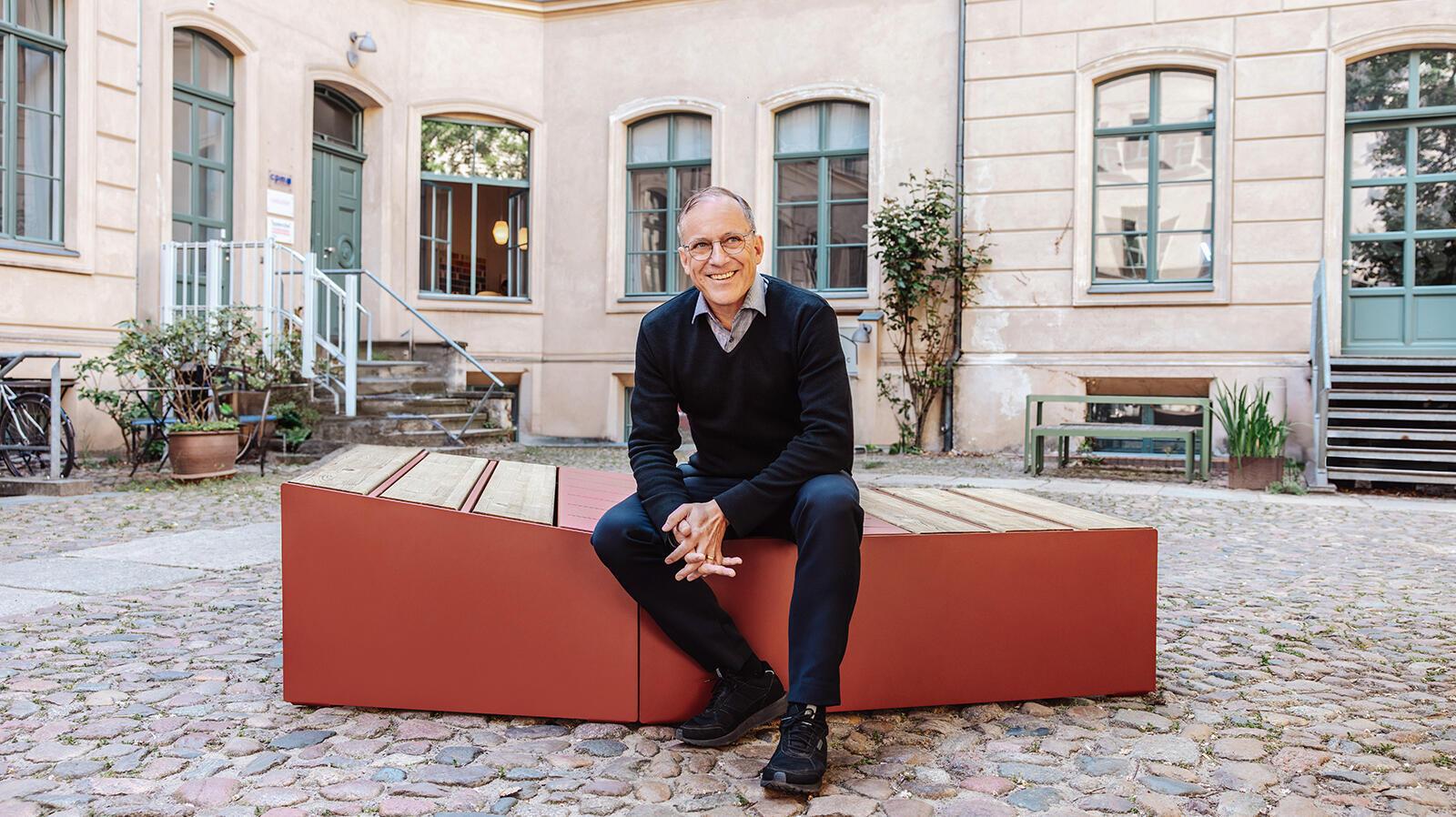
What was the primary motivation for the development of UNITY, and what problems in the public space did you want to resolve?
“The requirements for what makes a functional urban space have changed. They have become more complex and multifaceted. Urban spaces and the way they are designed need to create connections between people. We wanted to develop an item that cannot be placed in a single category, with a single purpose. Is it a bench? Part of a playground? A boundary? We wanted to offer lots of different uses to as many different people as possible. At the same time, the concept also invites people to use it together. Hence the name UNITY. The result is something unique.”
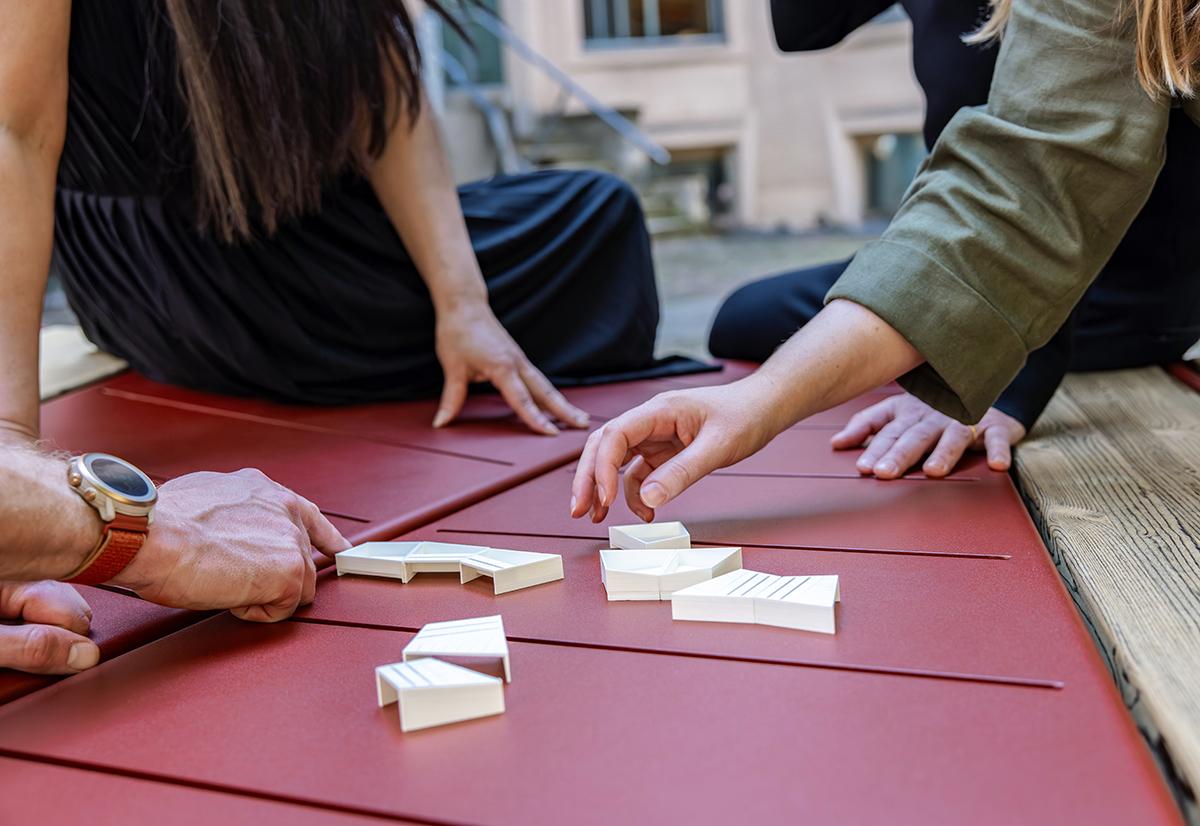
UNITY is described as a ‘toolkit for playful landscapes’, how have you managed to combine functionality and playfulness in the design? What role does its modularity play in this?
“At first glance, UNITY looks like a simple piece. But it is not. The modules have an asymmetric shape, which we have spent a long time balancing so the interaction between them creates an exciting effect. It is only when the modules are combined and used together that UNITY realises its potential for variation and, in principle, infinite possibilities.”
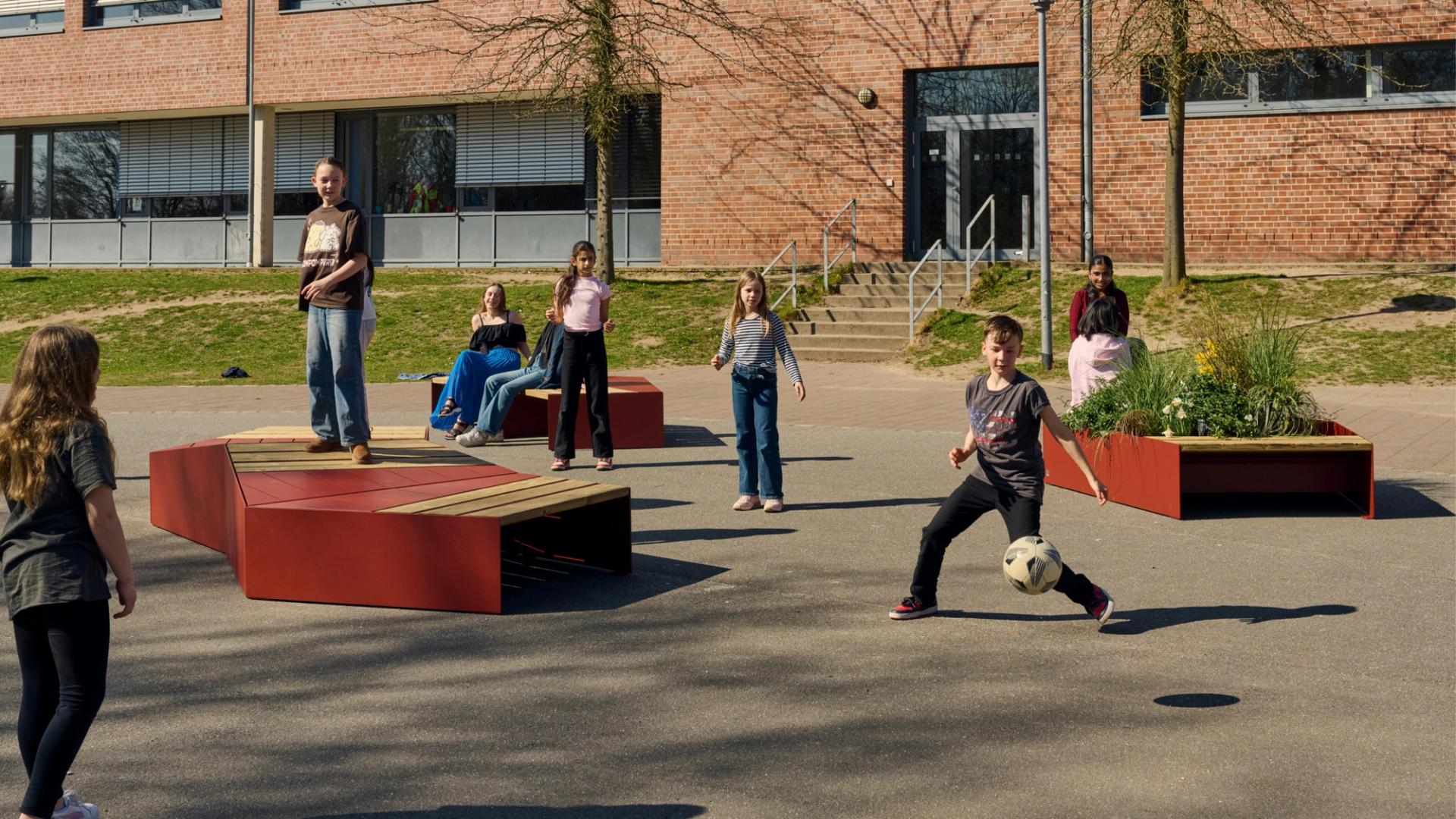
The system has been designed especially for schools and urban environments, how does UNITY promote inclusion and social interactions day-to-day?
“To a certain extent, each UNITY constellation is subject to interpretation by its individual users and what they do with it. Kids play on it, teenagers lounge on it, adults might rest, have a picnic, or chat. Ideally, all of those things happen at once. We don’t limit its use or specify any particular use, which enables inclusion and social interaction.”
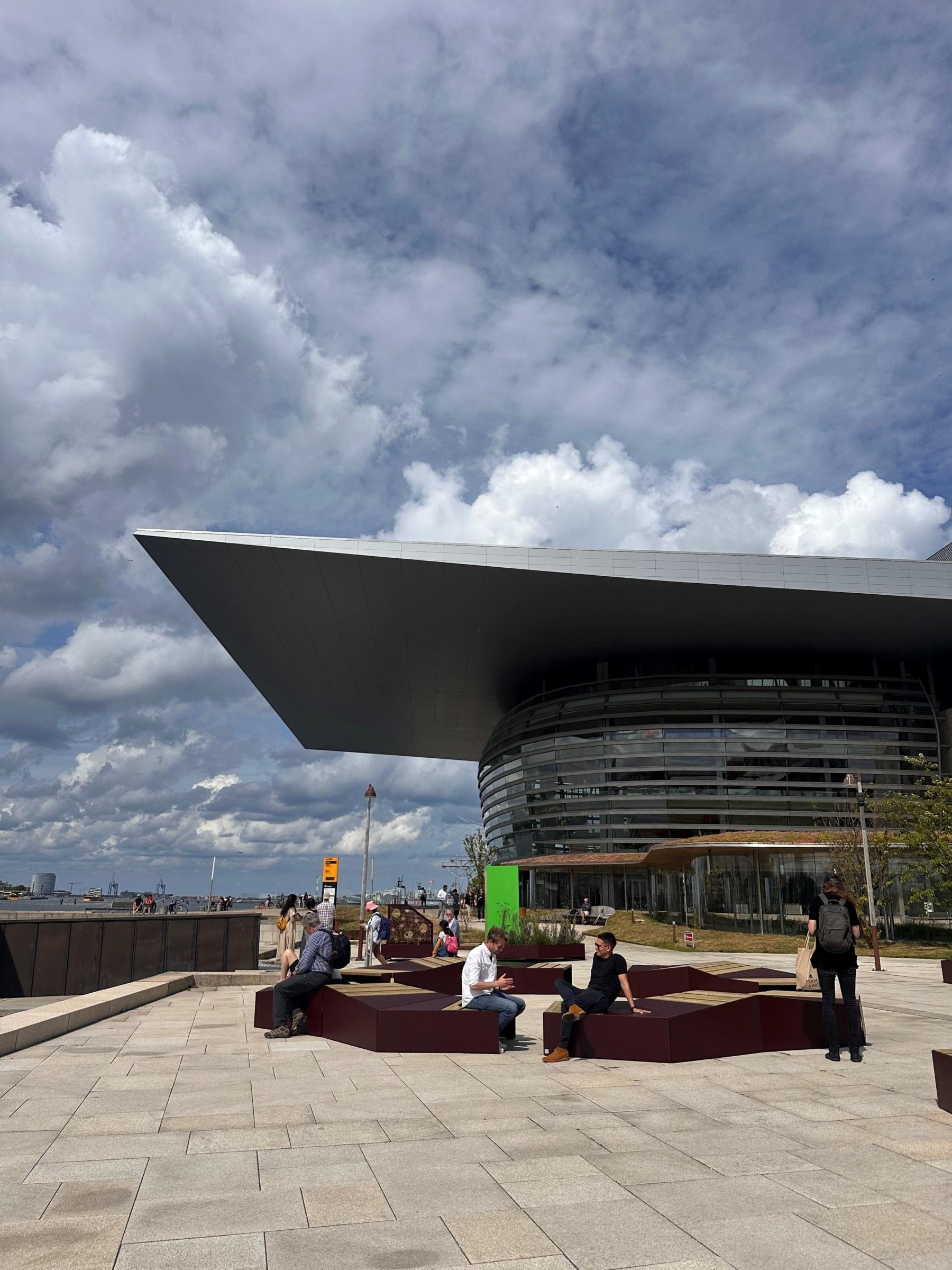
How has your background and experience as a landscape architect influenced the design of the UNITY series? What needs did you want to meet with UNITY?
“Despite a love of design, urban furniture like UNITY must meet technical standards and functional requirements for use in public or semi-public outdoor spaces. This also covers aspects such as cleaning, repair, transport, costs etc. If not, they won’t be used.”
What role does ‘re-greening’ play in your concept, and what advantages does UNITY offer compared with classic urban furniture?
“It’s all about bringing more greenery into towns and cities, even on a small scale. The planter module enables greenery to be fully integrated. That is rarely the case with ‘classic’ urban furniture.”
What do you appreciate about Vestre and its furniture?
“I like the ‘Vestre Style’, which I associate with Nordic freshness, openness and a commitment to durability. Vestre also pursues our strategy of creating connections between people.”
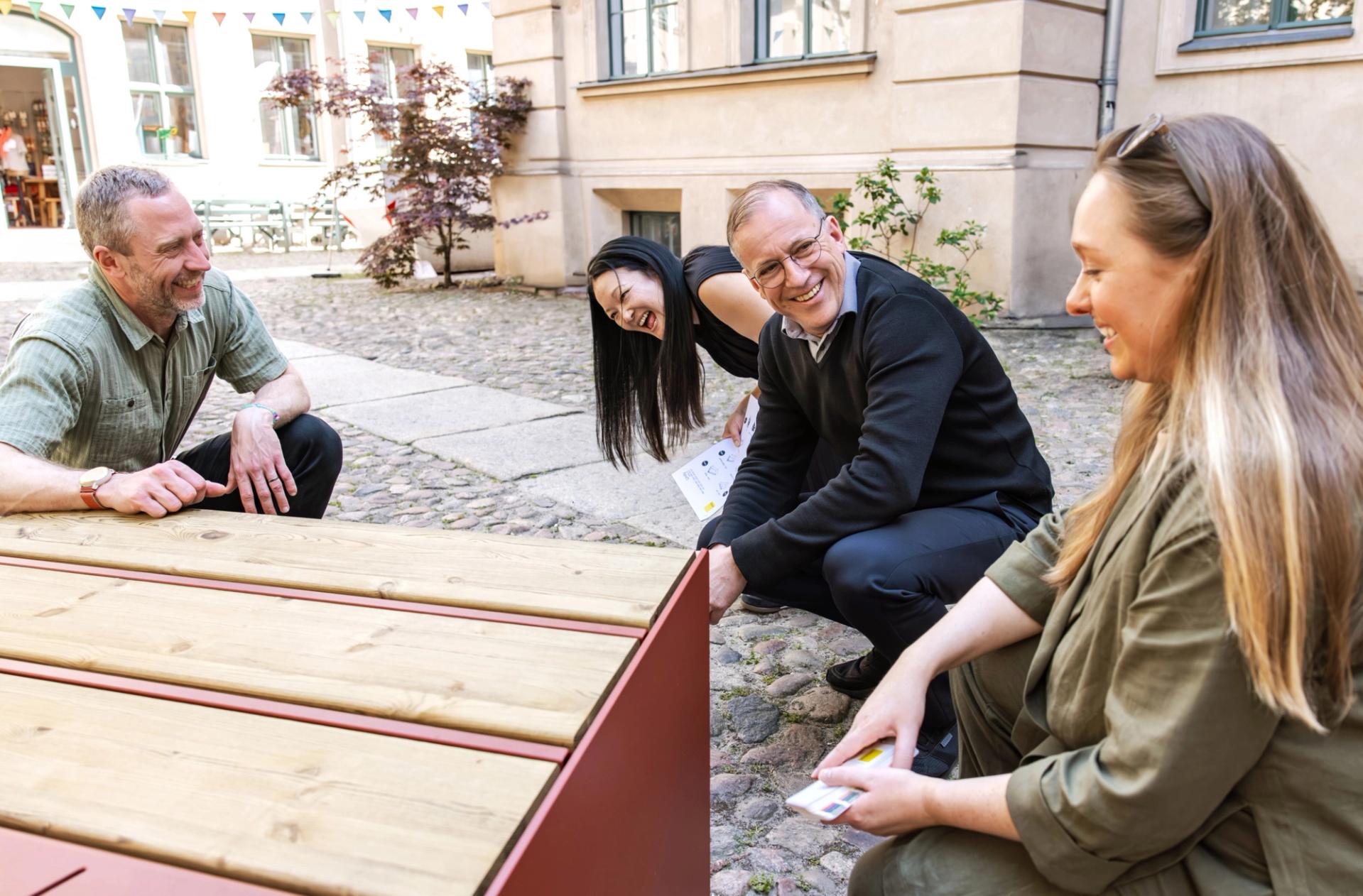
Vestre's design development team together with landscape architect and creator behind UNITY. From the left: Rickard Forsman, Jeanette Løining, Nikolai Soyka and Guro Midtun.
How did your partnership with Vestre come about? Why does the UNITY series fit Vestre's product portfolio so well?
“We asked Vestre if they could manufacture the pieces we had designed for a school project in Berlin. The idea of turning them into a series popped up pretty quickly after that. Which prompted a number of new questions. UNITY is the result of an intensive collaboration between Vestre and us, which was also a lot of fun. Many people were involved in the development process, which lasted over a year. I’d like to send another big thank-you to everyone who contributed!”
Photos: Marie Staggart / Félix L. Salazar / Marianne Preus Jacobsen