Materials Matter: Designing for a Sustainable Future
By Pamela Conrad Founder / Executive Director - Climate Positive Design Design Critic - Harvard University Graduate School of Design

With a staggering 75 percent of the global infrastructure required for 2050 yet to be built (Guterres, 2018), the urgency to adopt sustainable practices in design and construction cannot be overstated. The decisions we make today will shape the future of our built environment, influencing not only the functionality and aesthetics of our cities but also their impact on the planet. By choosing low-carbon materials and implementing smarter design strategies, we can significantly improve the environmental impact of our urban areas and play a vital role in addressing the climate crisis.
Material selection is at the heart of this effort. Currently, urban areas are responsible for approximately 75 percent of global emissions (UN Habitat, 2024). These emissions are not just the result of the energy consumed by buildings but are embedded in the very materials that form the foundation of our cities—stemming from the extraction of raw materials, their manufacturing, transportation, and the construction processes. Roughly 80 percent of these emissions from sites and infrastructure are embodied in the materials used in construction. (Climate Positive Design, 2023) As such, material selection in the design phase plays a critical role in determining the carbon footprint of a building or infrastructure project.
To address this challenge, three primary strategies have emerged: designing smarter, making informed material and product selections and collaboration. These strategies, when applied thoughtfully, can lead to significant reductions in both embodied and operational emissions.
Designing Smarter to Reduce Emissions
Designing smarter involves rethinking traditional approaches to architecture, landscape architecture, engineering, and urban planning to prioritize sustainability from the outset. This approach is not about relying on cutting-edge technologies but rather about applying tried-and-true principles of good design. Often, the burden of reducing a project’s carbon footprint is placed too heavily on the materials and products chosen, without considering upstream design solutions that can have an equally significant impact.
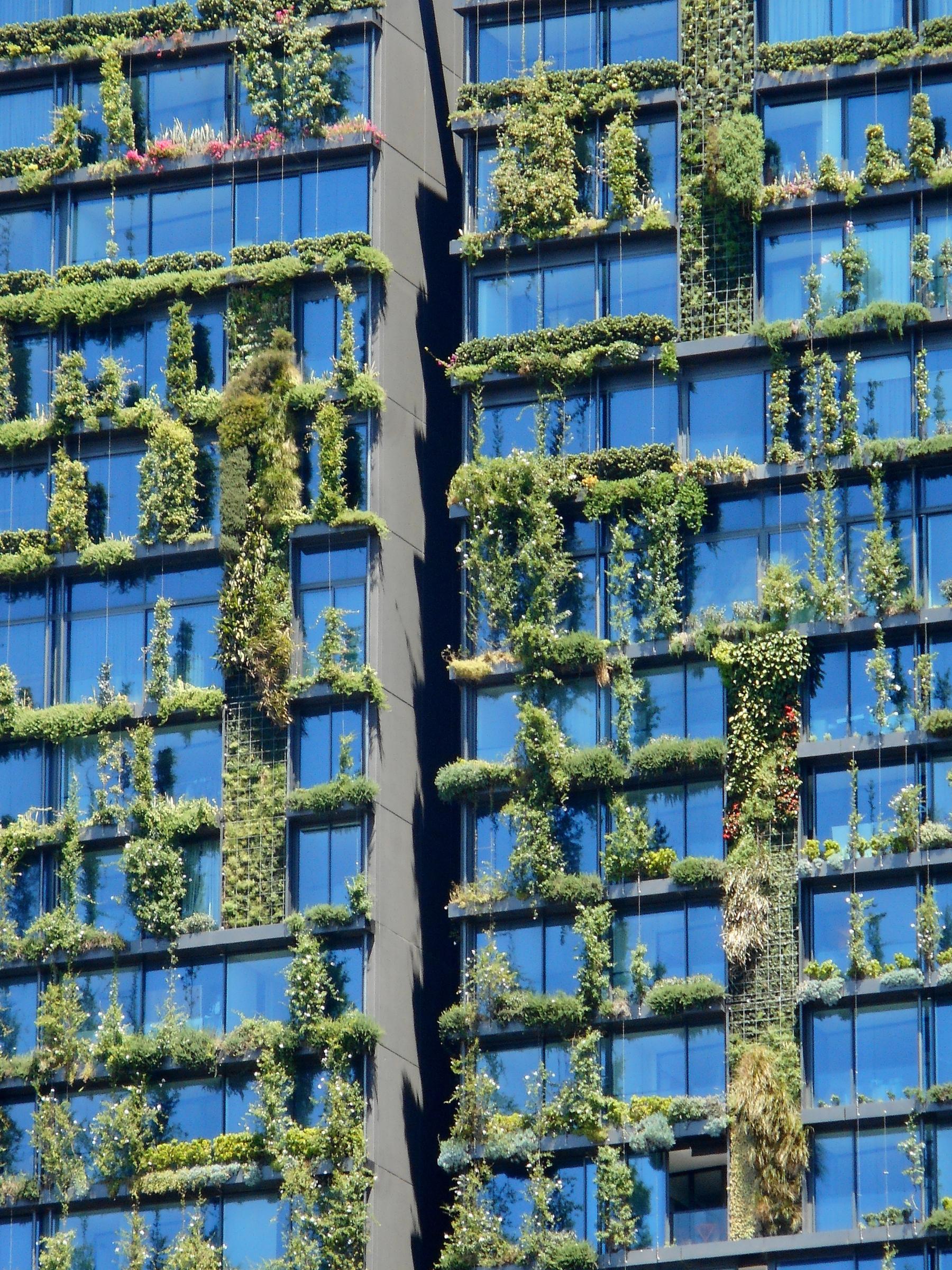
Smarter design means focusing on functionality and reducing redundancies. For example, rather than over-engineering a structure, designers can optimize the use of materials by tailoring the design to the specific needs of the project. This could involve using fewer and better materials overall, minimizing waste, and integrating natural elements into the design. Paving less and planting more are simple yet effective strategies that can reduce the carbon impact while enhancing the aesthetic and environmental value of a project.
Material and Product Selection for Sustainability
While designing smarter addresses the broader approach to sustainability, material and product selection focuses on the specific choices made during the construction phase. The goal is to choose materials and products that are not only low in embodied carbon but also durable, circular, and high-performing over the life of the project. This requires consideration of other factors such as the location, intensity of use, and realities of maintenance.
While a material may have low embodied carbon emissions at installation, its impact over the project’s lifespan could actually be higher if frequent replacement or ongoing maintenance are required. To strike a balance between urgency and durability, we should consider that the best material choice may not always be the one with the lowest initial carbon footprint, but rather the one that will lead to the lowest carbon impact over time.
Concrete and steel, two of the most used and most durable materials in construction, are among the largest contributors of embodied carbon emissions. Advancements in technology offer promising solutions to reduce their impact. Concrete mix design adjustments can increase the ratio of lower carbon supplementary cementitious materials (SCMs) to that of traditional cement without sacrificing performance while reducing carbon emissions.
The development of “fossil-free” steel and increased recycled content in steel and aluminum can also contribute to a more sustainable construction industry. Ideally, both metals would be specified at 100 percent recycled content, creating a truly circular material lifecycle.
Collaboration and Standardization: A Collective Responsibility
The transition to a more sustainable built environment is not the responsibility of any single group, as everyone involved in the design and construction industry has a role to play. Designers can prioritize low-carbon materials and smarter design strategies, but their efforts also need to be supported by collaboration across the industry.
Standardization is crucial for streamlining these efforts, ensuring that sustainable practices are consistently applied across projects and disciplines. Tools like the Embodied Carbon in Construction Calculator (EC3), Tally, Carbon Conscience, and Pathfinder (PF) provide valuable resources for designers, enabling them to make informed decisions about material selection and design strategies.
Manufacturers and contractors also have a critical role in this process by increasing transparency through Environmental Product Declarations (EPDs), which detail the environmental impact of their products. Collaboration between manufacturers, designers, and contractors and support from clients is key to ensuring that sustainable choices are made throughout the project lifecycle, from design to construction and maintenance.


Building a Sustainable Future
Environmentally conscious material selection and smart design are not just options—they are necessities in the quest to solve the climate crisis. With so much of our future infrastructure yet to be built, we have a unique opportunity to shape a more sustainable world. By using fewer materials, selecting the right materials or products, designing smarter, and fostering cross-industry collaboration, we can significantly improve the carbon impact of our built environment. The choices we make today will determine the legacy we leave for future generations, and it is our collective responsibility to ensure that legacy is one of sustainability and resilience.