A series that brings biodiversity into everyday public spaces.
Designed by René Hougaard, ARDE and Alexander Qual
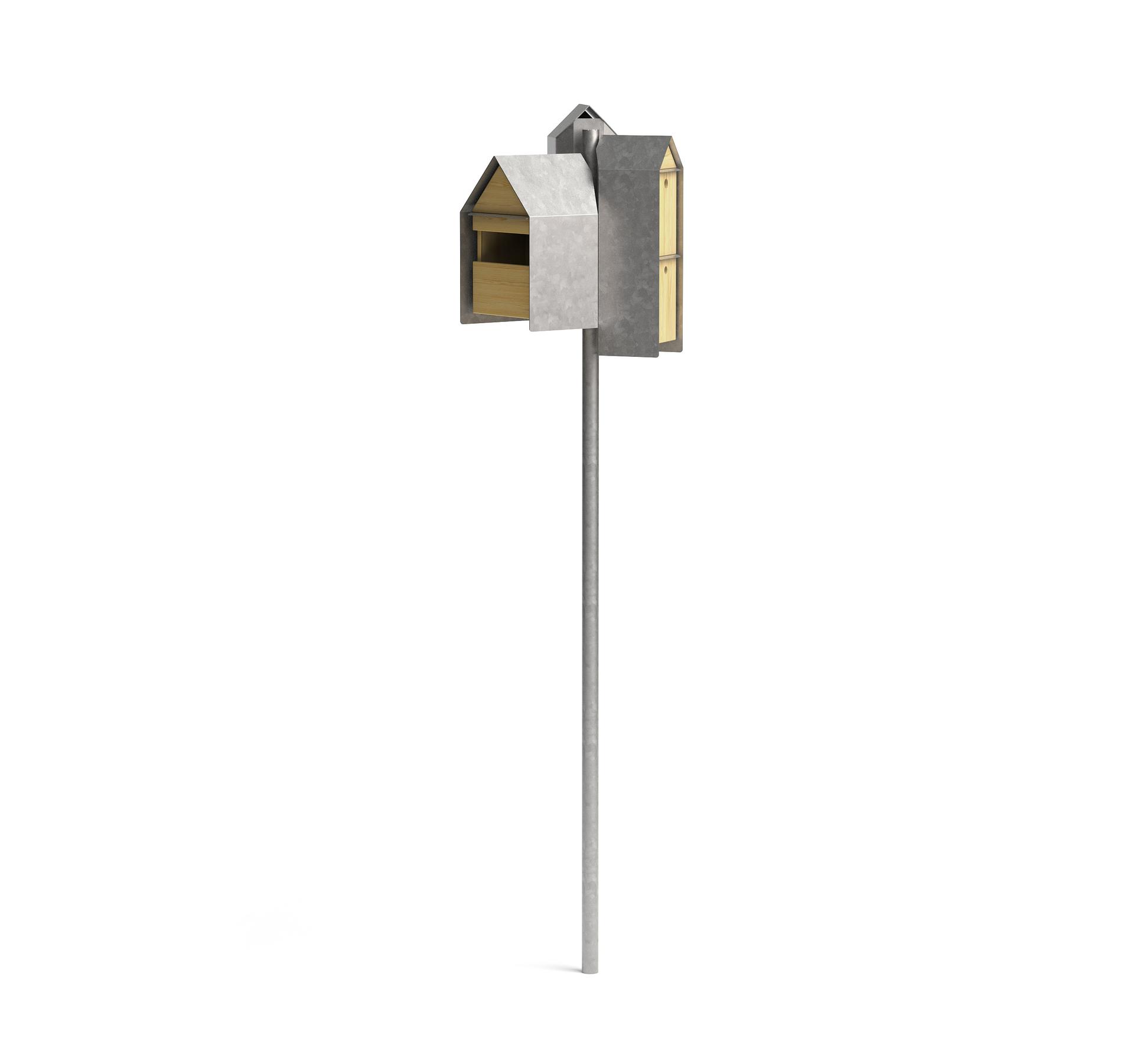
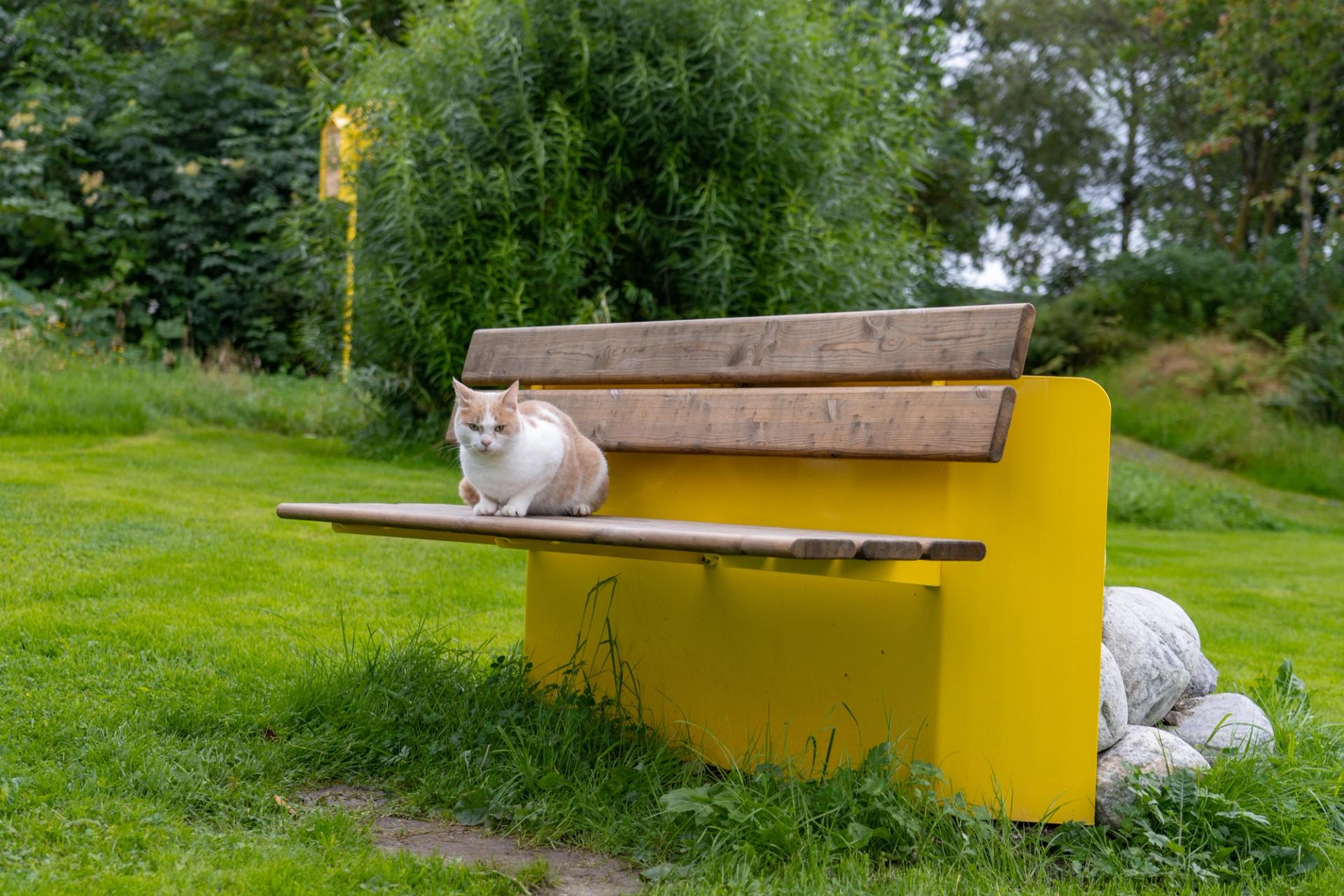
HABITATS combines robust urban design with features for nesting, shelter, and planting. The family includes benches, birdhouses, insect hotels, and planting elements, designed to support biodiversity in parks, schoolyards, and public plazas. Developed in collaboration with a palaeontologist and a biologist, each product is adapted to real ecological needs. Distinctive sculptural forms make biodiversity visible, engaging, and part of everyday public life.
Developed with experts
A palaeontologist and a biologist contributed to the design concepts, grounding HABITATS in real ecological research.
Adapted to different species
WINGS and LEAF can each be tailored to support different species, depending on local conditions and ecological context.
Sculptural and playful design
Distinctive forms create curiosity and help make biodiversity visible and engaging in everyday public spaces.
HABITATS works across multiple placement types
01 Pathways and mixed-use areas
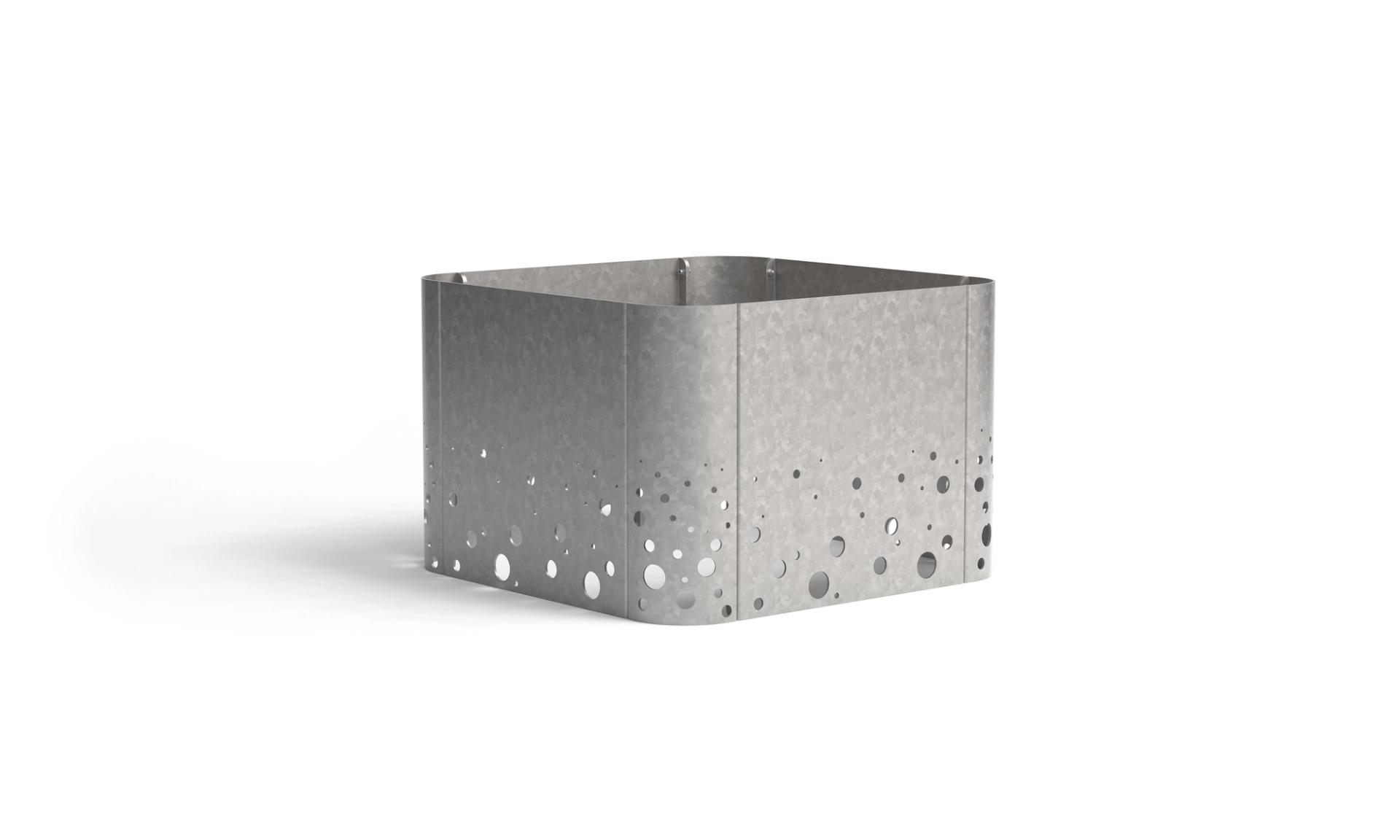
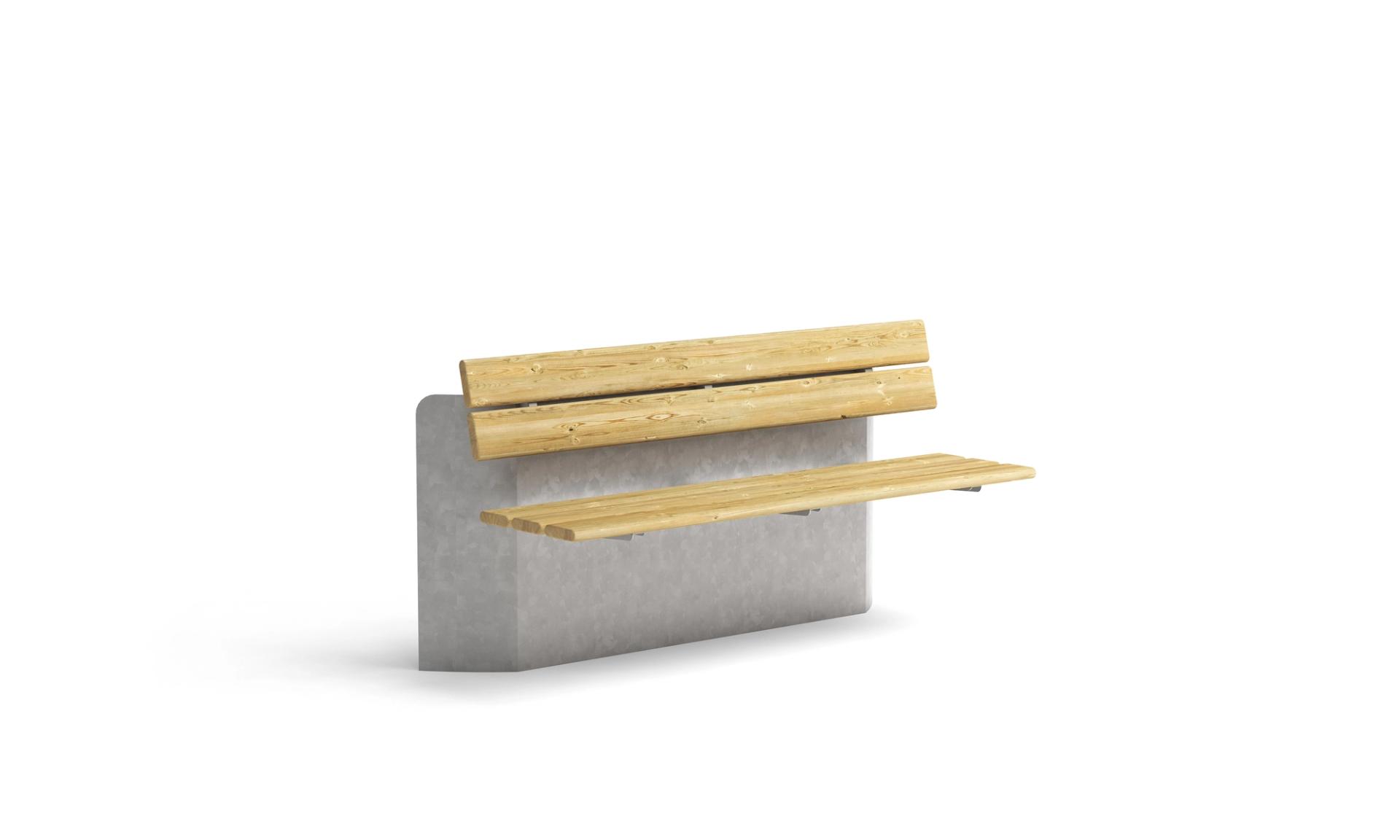
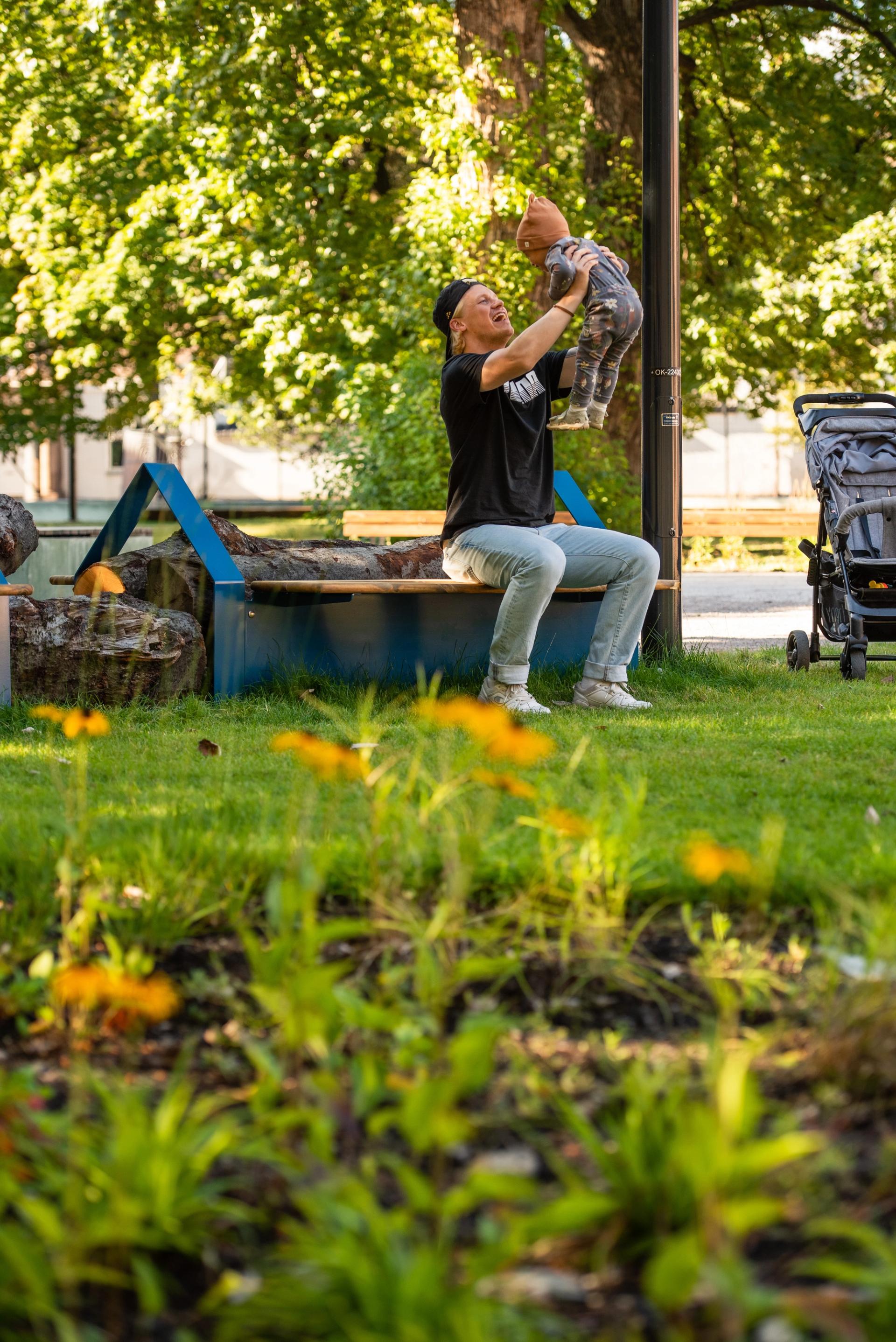
Combine HABITATS products to create biodiversity alongside inviting public spaces. Use DECAY EDGE to define edges and planting zones, place LOG and PILE where people can pause and engage with nature, add LEAF close to flowering beds, and position WINGS in calmer nearby spots with shelter.
02 Placement: WINGS
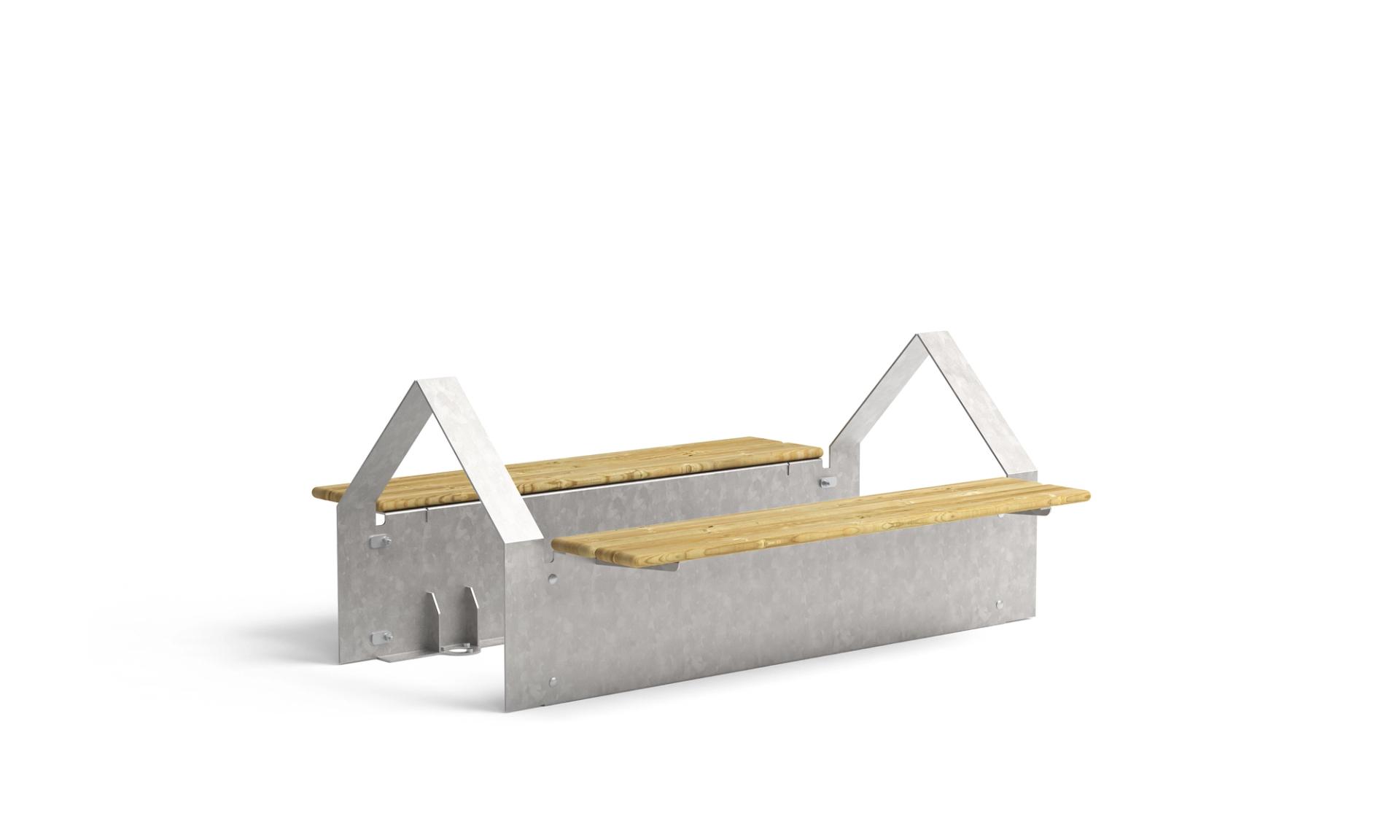
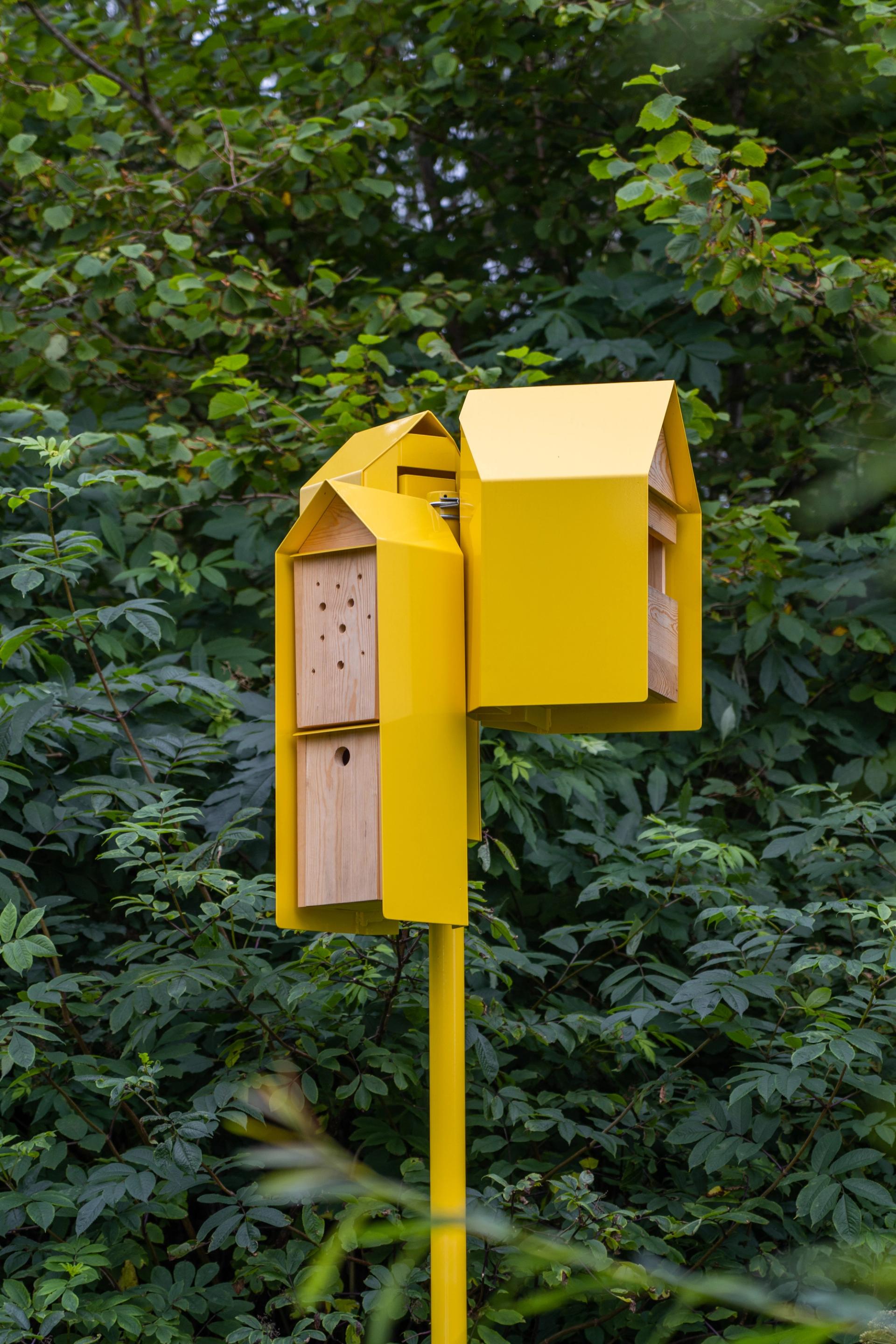
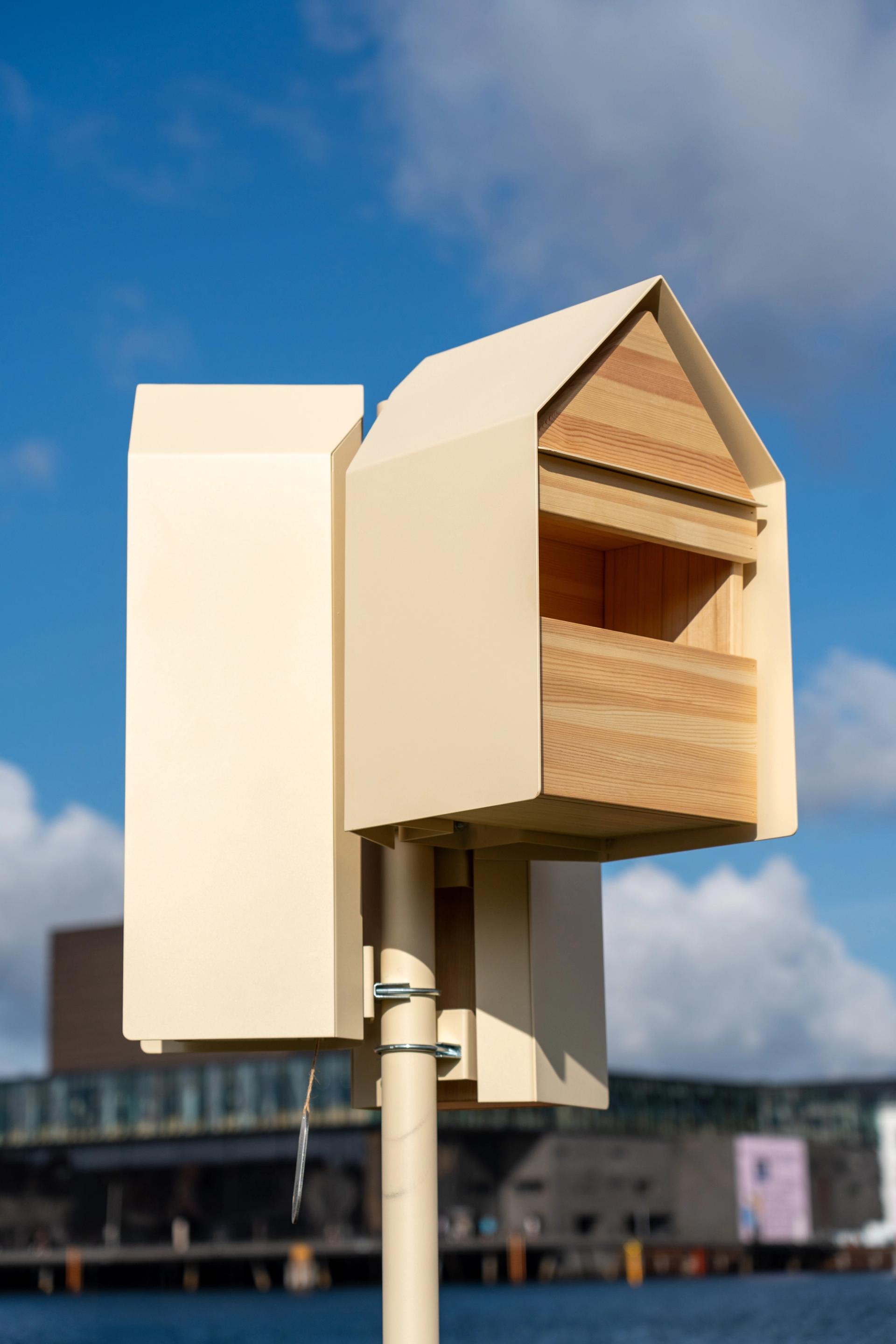
WINGS should be placed in a habitat cluster, with enough space between units as most birds prefer distance from one another. Most birds breed several feet above the ground, so installation height and local conditions should be considered carefully.
03 Placement: LEAF
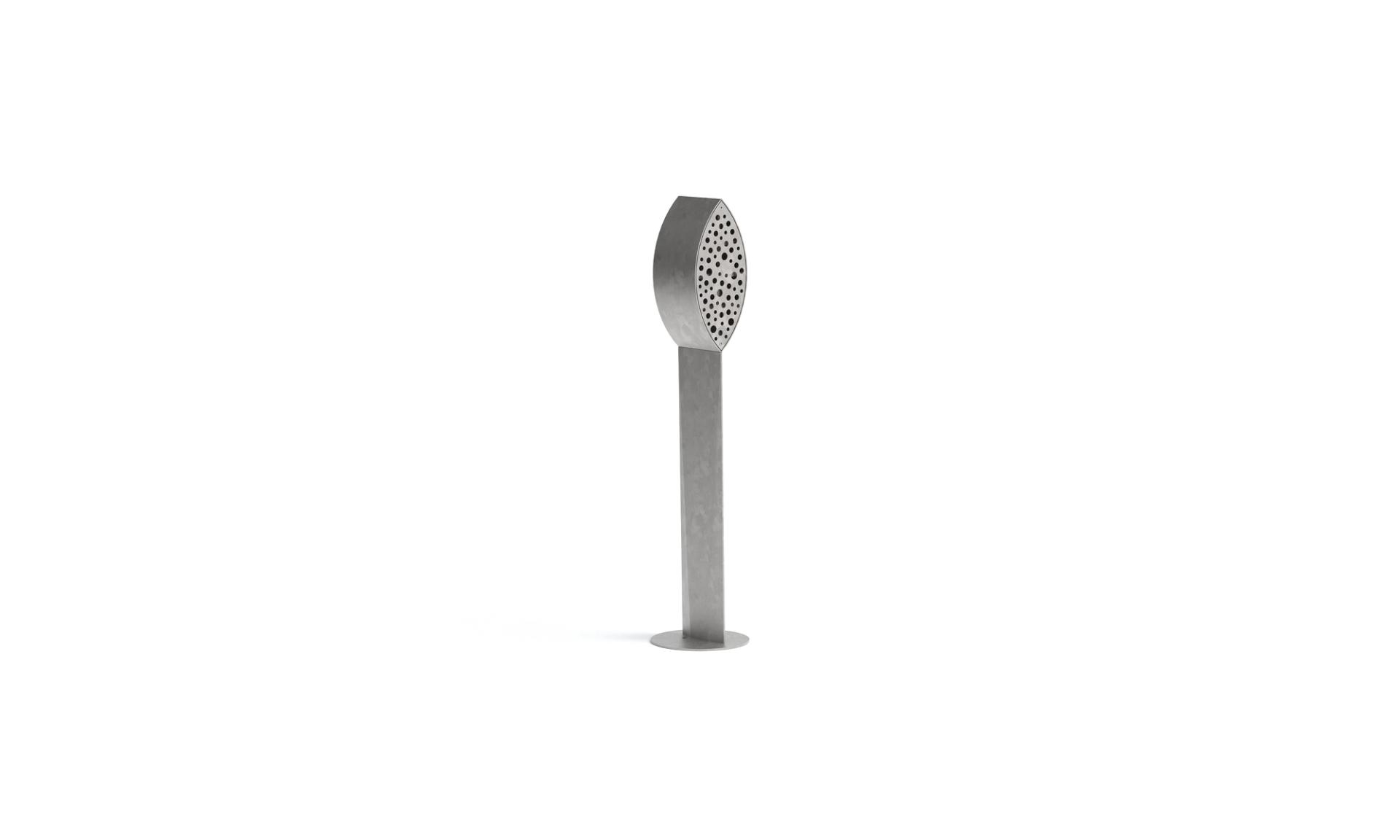
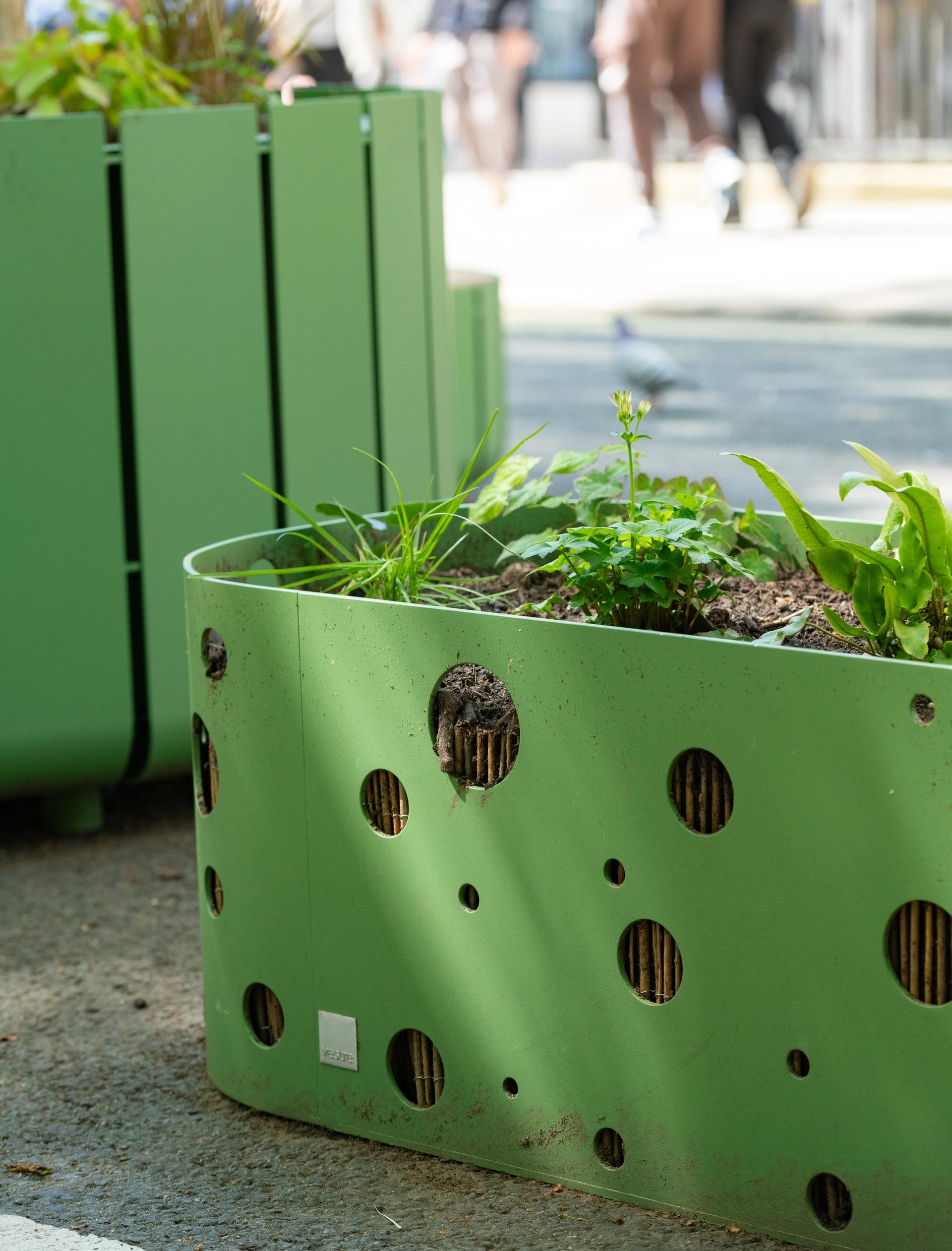
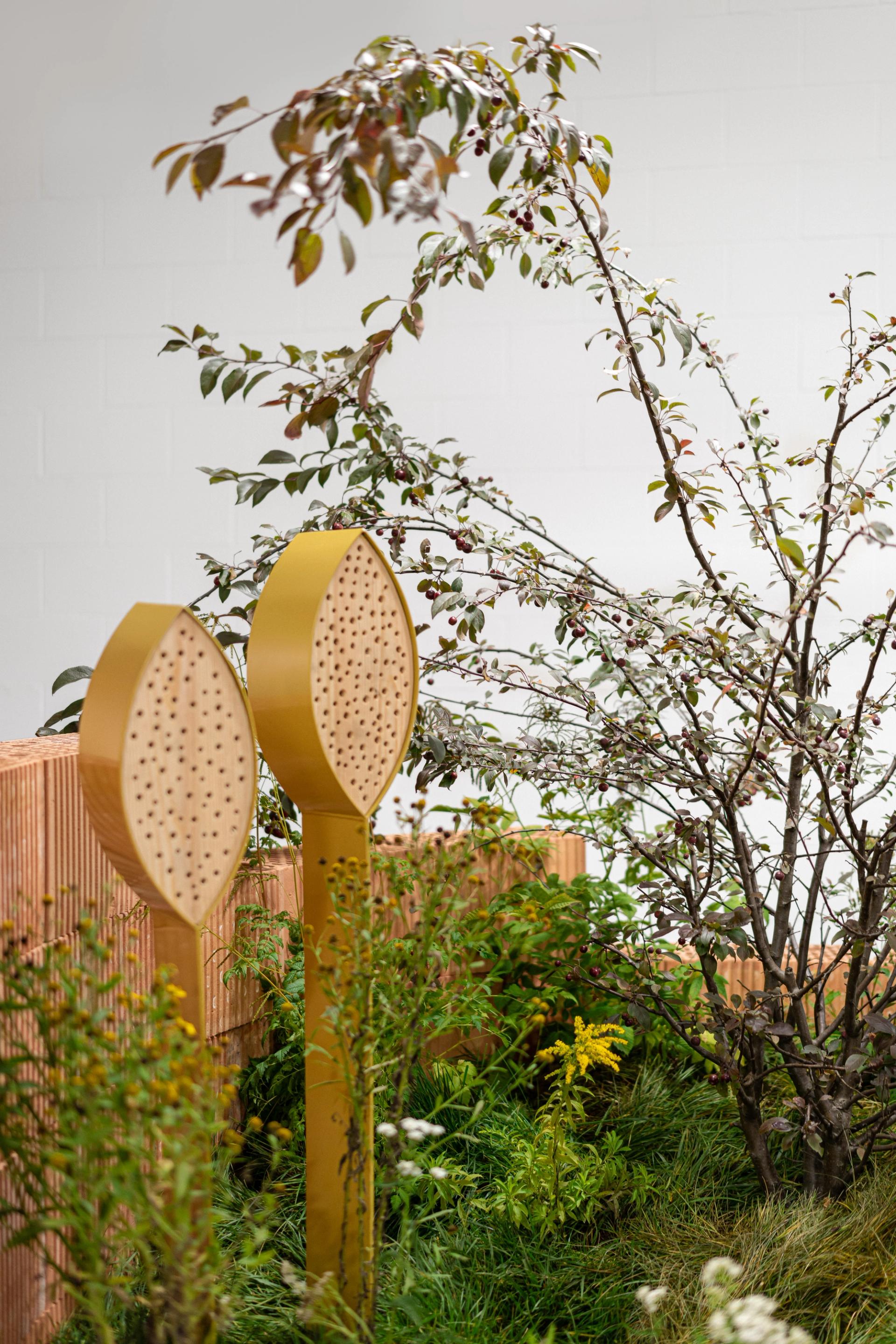
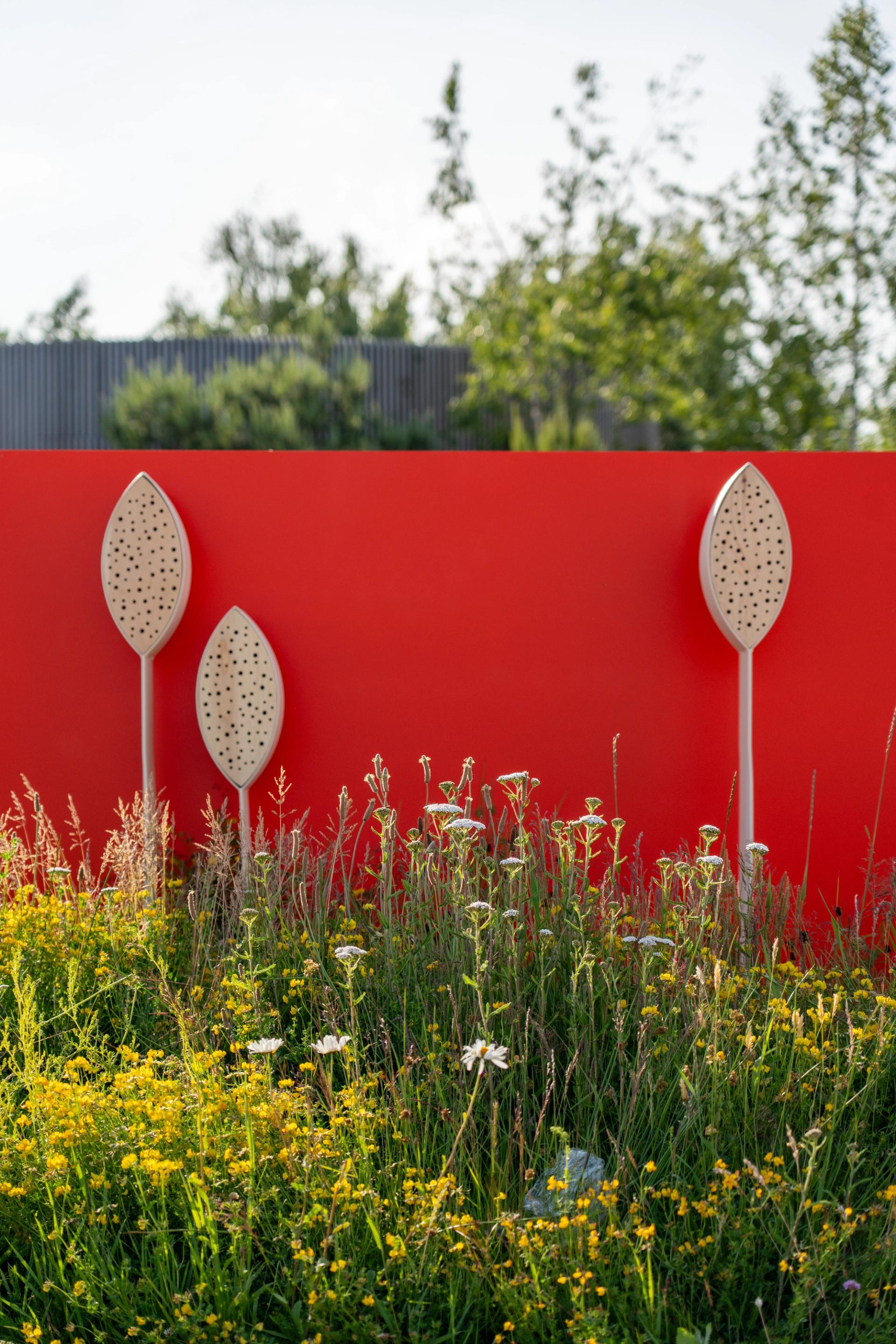
LEAF works in planters, flower beds, roof terraces, and parks, close to a variety of flowering plants that provide nectar and pollen. Place in calm areas away from constant noise and movement. LEAF can also be used as part of insect corridors that support pollinator movement through fragmented urban landscapes.

HABITATS OPTIONS
Mounting
Freestanding, bolted or cast in.

WINGS birdhouse
A flexible nesting system with customizable entrance hole size and interior dimensions to suit different bird species.

LEAF insect hotel
Available in two versions: solid natural wood that mimics natural nesting sites for solitary bees, and an open version that can be filled with reed, bamboo, straw, pinecones and bark to create microhabitats for different insects.

LOG, PILE, and DECAY EDGE
Benches and modular planters designed to create microhabitats and inviting seating in the same composition.

200+ RAL colours
Every piece is powder-coated at The Color Factory in The Plus, with over 200 RAL colours to choose from.